
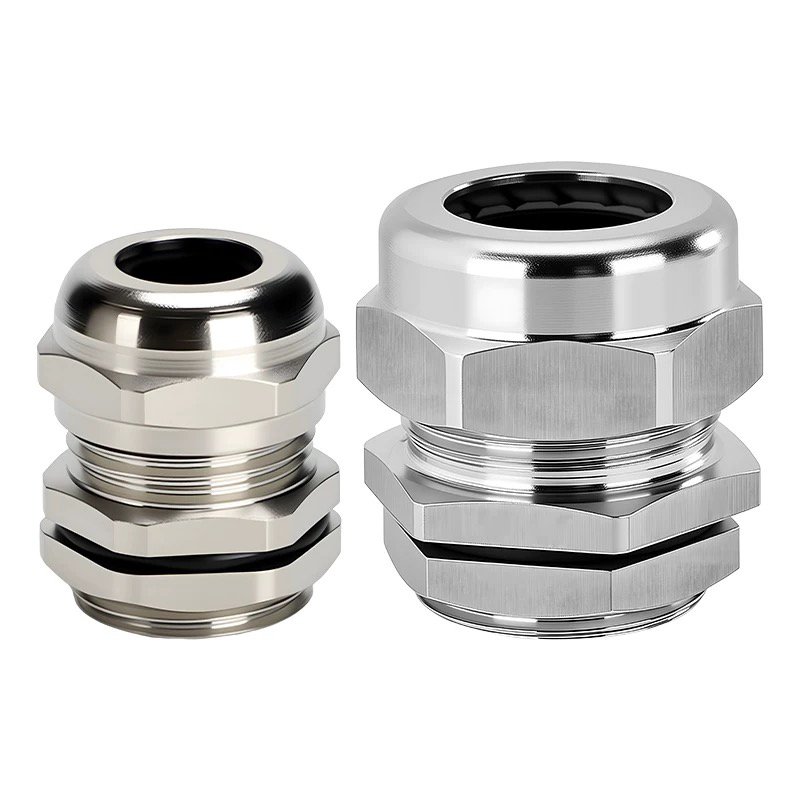
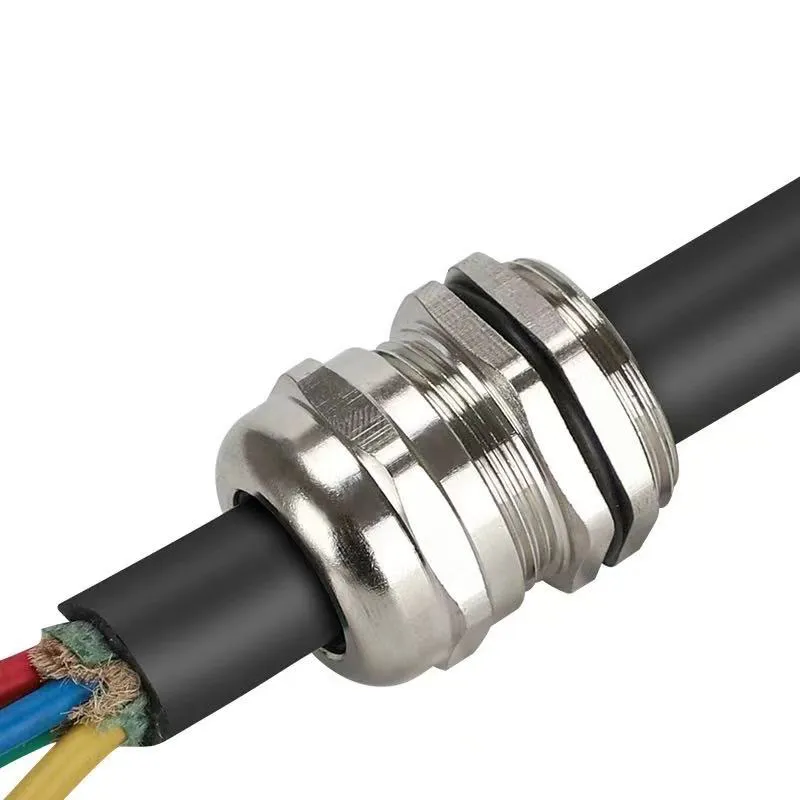
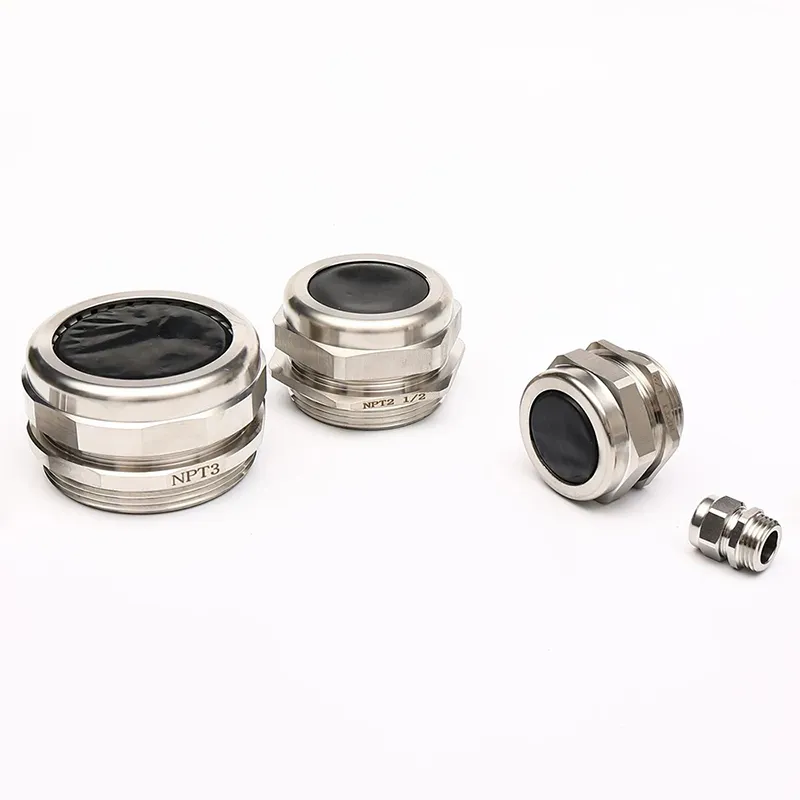
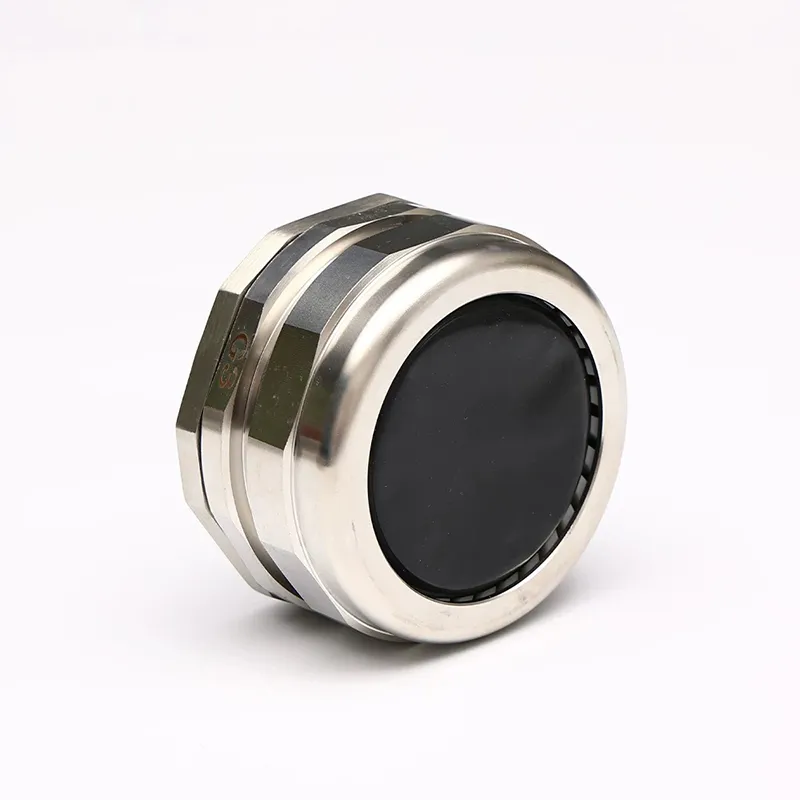
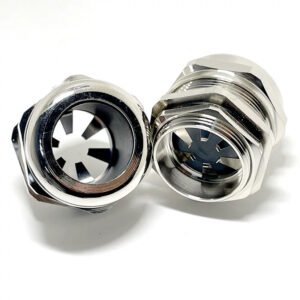
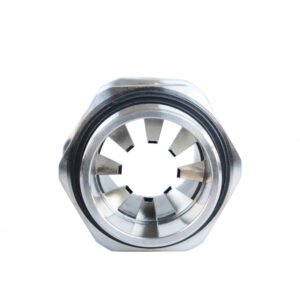
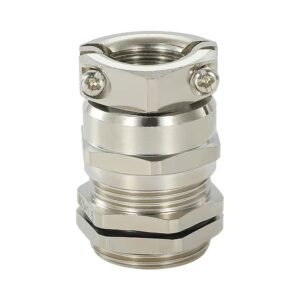
Cable glands, also known as cable connectors or fittings, are essential components used to secure and terminate cables in electrical installations. These devices provide strain relief and ensure a secure connection, preventing cables from being pulled out or twisted. One of the most critical features of cable glands is their ability to maintain the integrity of the cable entry point. A waterproof cable gland offers enhanced protection against water ingress, making it ideal for use in harsh environments and outdoor applications. By sealing the cable entry, it ensures that electrical systems remain safe and operational, even under challenging conditions.
Cable Gland Specification
Cable glands come in various specifications to meet the diverse needs of different industries. Key specifications include:
- Material: Brass, stainless steel, plastic
- Thread Type: Metric, PG, NPT, BSP
- Ingress Protection: IP66, IP67, IP68
- Cable Range: The diameter range of cables that can be accommodated
- Temperature Range: Operating temperatures the gland can withstand
Cable Gland All Parts Name
- Gland Body: The main part that houses all other components.
- Seal: Ensures a tight fit and prevents the entry of moisture and dust.
- Locknut: Used to secure the gland body to a panel or enclosure.
- O-Ring: Provides additional sealing to enhance ingress protection.
- Clamping Insert: Holds the cable securely and provides strain relief.
- Gland Nut: Tightens the gland around the cable, ensuring a secure fit.
Different Types of Cable Glands
According to Material
- Brass Cable Glands: High durability, used in harsh environments.
- Stainless Steel Cable Glands: Corrosion-resistant, ideal for marine and chemical industries.
- Plastic Cable Glands: Lightweight, used in less demanding applications.
- Aluminum Cable Glands: Lightweight and cost-effective for general use.
According to Thread Types
- Metric Thread Cable Glands: Common in Europe, precise threading.
- PG Thread Cable Glands: Widely used in industrial applications.
- NPT Thread Cable Glands: Tapered threads, common in North America.
- BSP Thread Cable Glands: British Standard Pipe threading.
According to Applications
- Industrial Cable Glands: Robust and durable, used in heavy industries.
- Marine Cable Glands: Waterproof, corrosion-resistant, used in marine environments.
- Explosion-Proof Cable Glands: Designed for hazardous areas.
- EMC Cable Glands: Provide electromagnetic compatibility.
According to Compression Type
- Single Compression Cable Glands: Provide basic sealing and strain relief.
- Double Compression Cable Glands: Offer enhanced sealing and strain relief, used in high-vibration environments.
Cable Gland Sizes
How to Select Cable Gland Size?
Selecting the correct cable gland size involves considering the cable diameter, thread type, and the environmental conditions where the gland will be used. The size must match the cable diameter to ensure a secure fit and proper sealing.
Cable Gland Size Table
| Cable Diameter (mm) | Gland Size (Metric) | Gland Size (PG) | Gland Size (NPT) |
|---|---|---|---|
| 3 – 6 | M12 | PG7 | 1/4″ |
| 6 – 10 | M16 | PG9 | 3/8″ |
| 10 – 14 | M20 | PG11 | 1/2″ |
| 14 – 18 | M25 | PG13.5 | 3/4″ |
| 18 – 25 | M32 | PG16 | 1″ |
| 25 – 33 | M40 | PG21 | 1 1/4″ |
| 33 – 42 | M50 | PG29 | 1 1/2″ |
| 42 – 54 | M63 | PG36 | 2″ |
Cable Gland Materials
Cable glands are made from various materials depending on the application requirements:
- Brass: Highly durable and ideal for harsh environments.
- Stainless Steel: Offers excellent corrosion resistance.
- Plastic (Nylon): Cost-effective and lightweight.
- Aluminum: Lightweight and suitable for general use.
- Nickel-Plated Brass: Combines the strength of brass with additional corrosion resistance.
How Do Cable Glands Work?
Cable glands work by securely fastening the cable to the equipment while providing strain relief and protection against environmental factors.
Why Cable Glands Are Used?
Cable glands are used to:
- Provide strain relief to prevent cable damage.
- Ensure a secure and stable connection.
- Protect cables from environmental factors like moisture, dust, and chemicals.
- Maintain the integrity of the enclosure’s ingress protection rating.
Where Cable Glands Are Used?
Cable glands are used in various applications, including:
- Industrial machinery and equipment
- Electrical panels and enclosures
- Marine and offshore environments
- Hazardous areas (e.g., oil and gas industries)
- Telecommunications and data centers

Reviews
There are no reviews yet.